Creative Projects
Roy's artwork has been used in unique and elegant ways over the years. Please use the Contact Form to request more information about your project.
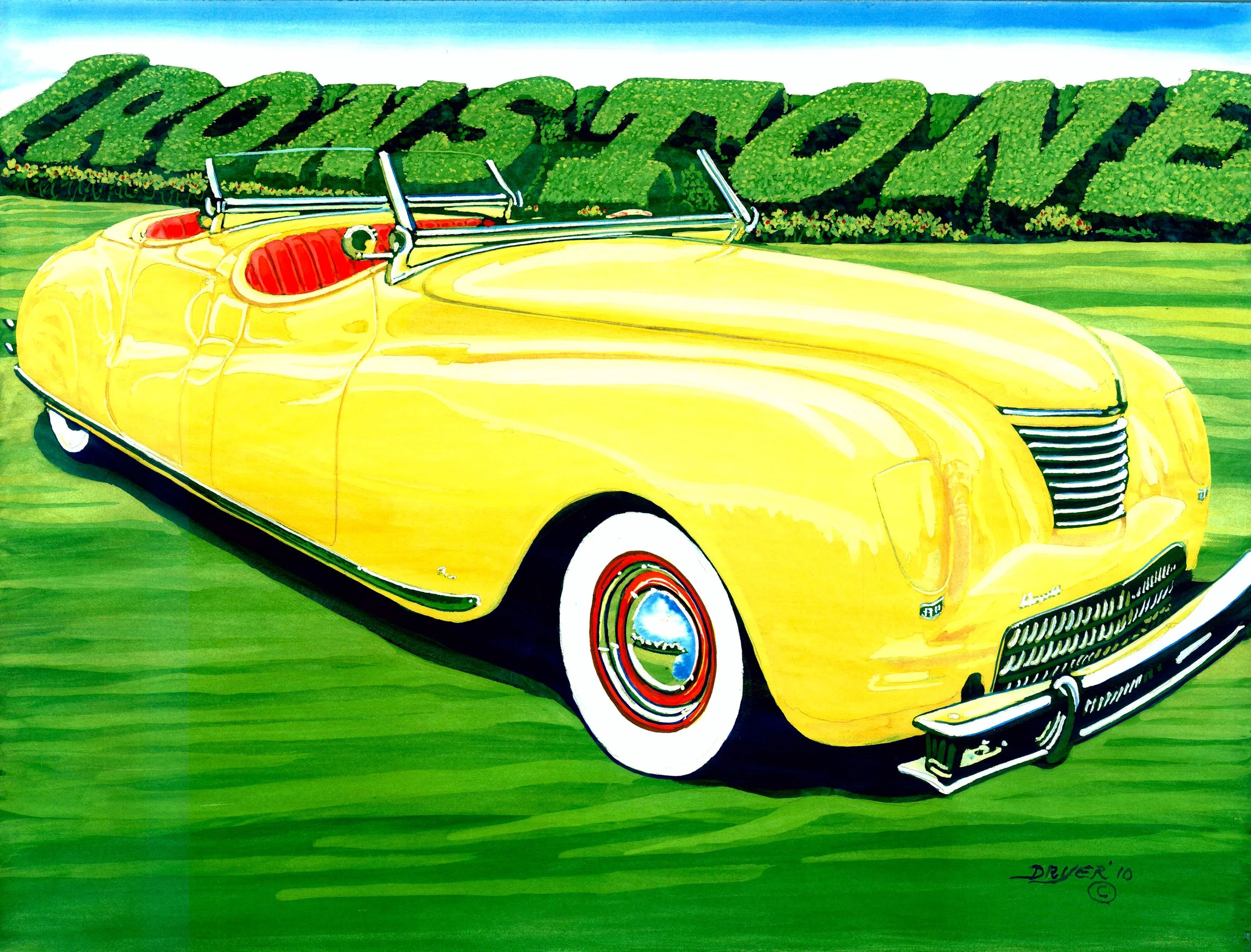
WINE LABEL CREATED EXCLUSIVELY FOR THE 2010 IRONSTONE CONCOURS d’ELEGANCE

CREATED FOR A SPECIAL EVENT IN LAKE TAHOE
Roy’s creative projects are vast, ranging from custom pieces for events to fine photography for display in restaurants, car dealerships, and trade publications. Roy’s artwork has been featured on wine labels, children’s books, t-shirts and other event collateral. Additionally, he creates custom etchings, block prints, and serigraphs available for sale.
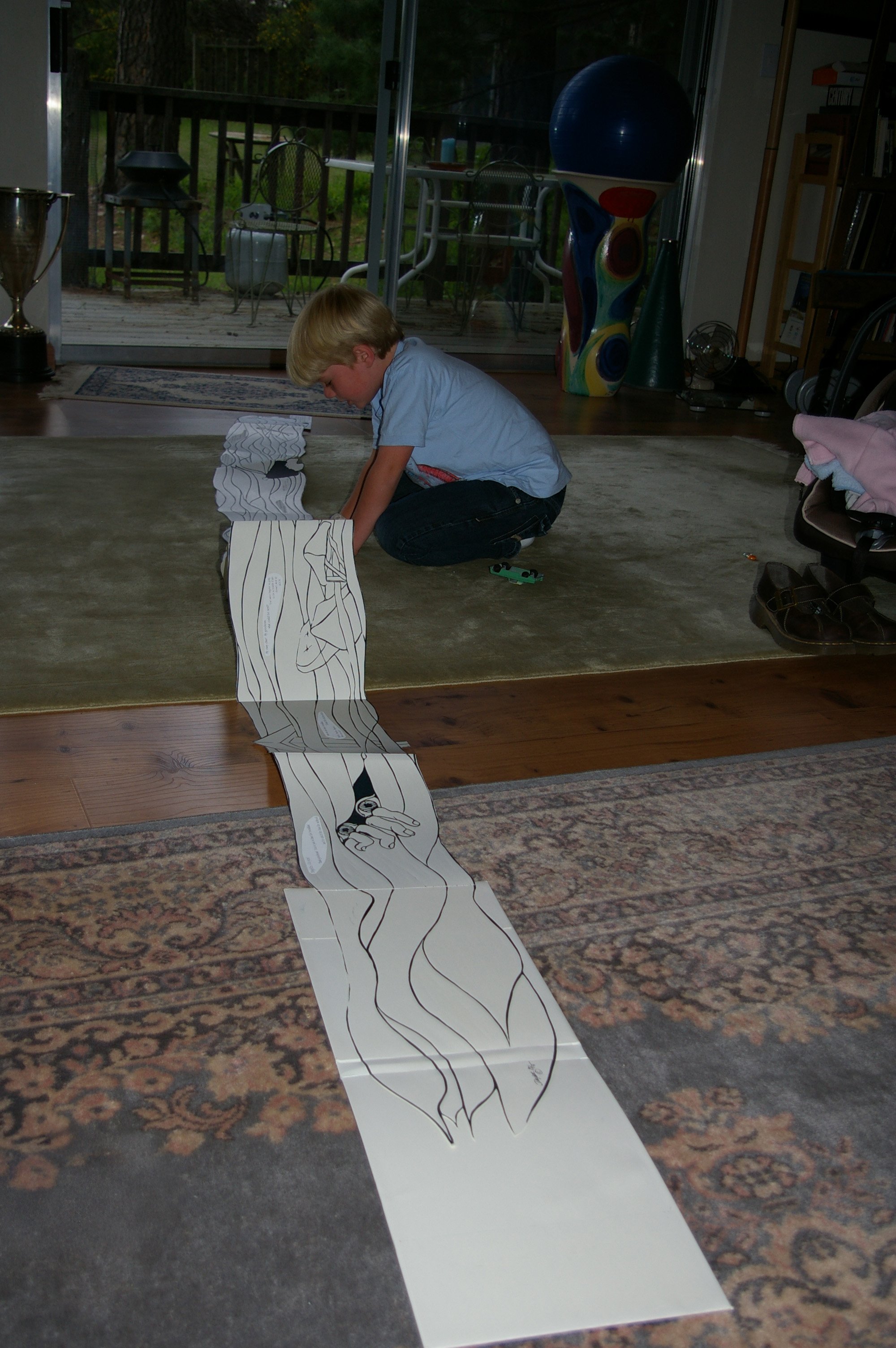
ELYSCIA’S HAIR – A CHILDREN’S TALE
Fine Art Photography



The Print Studio
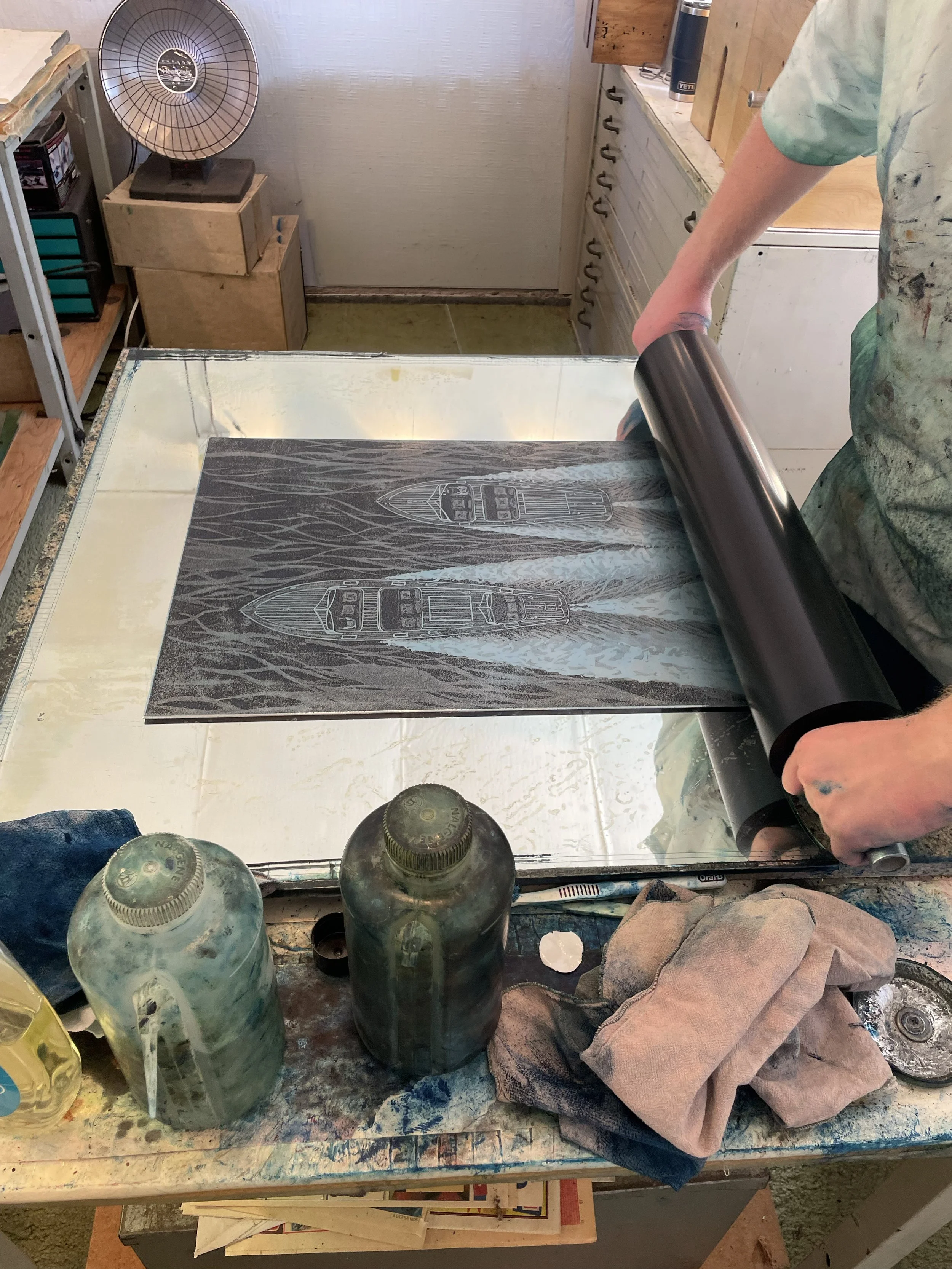
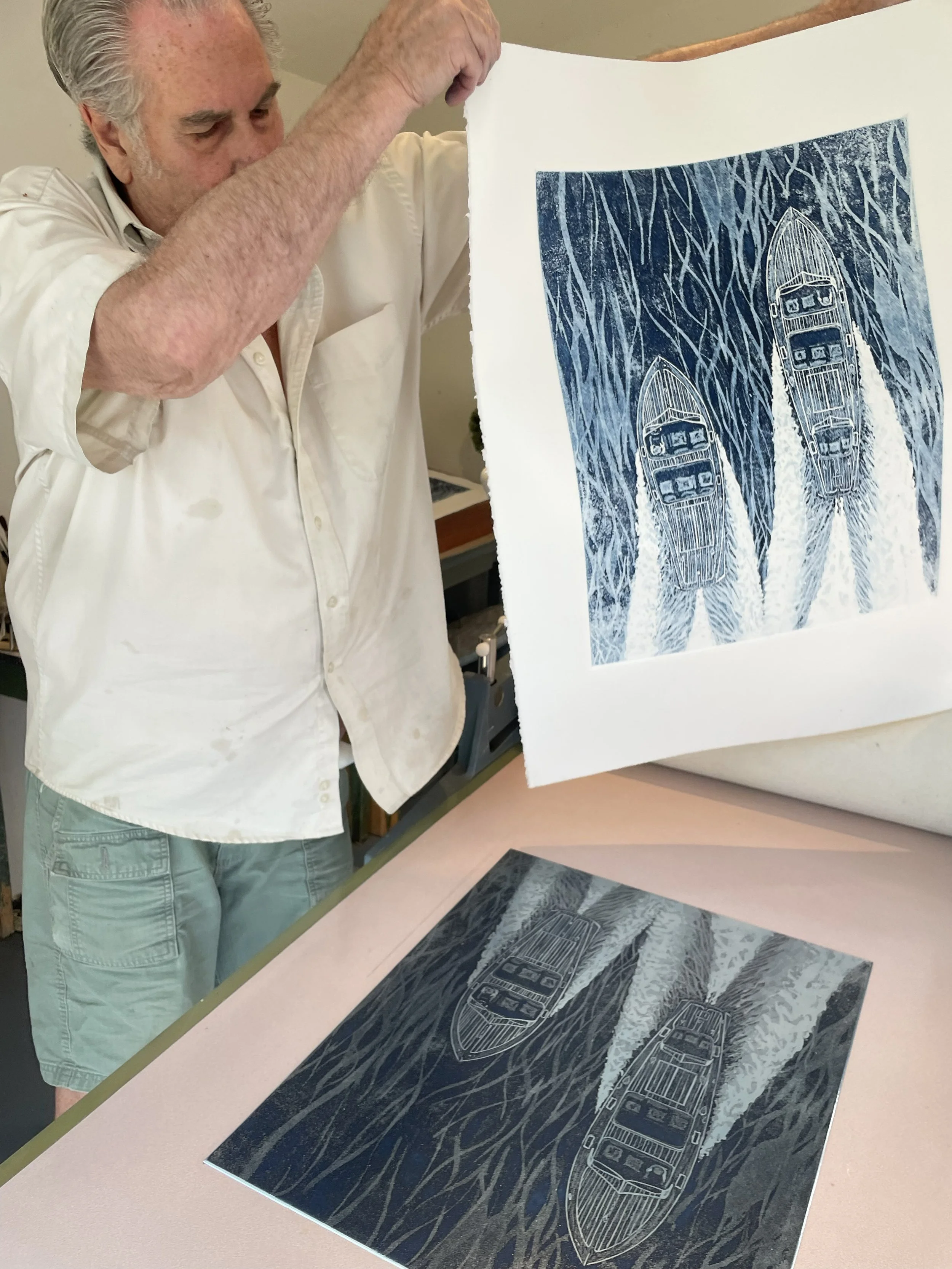
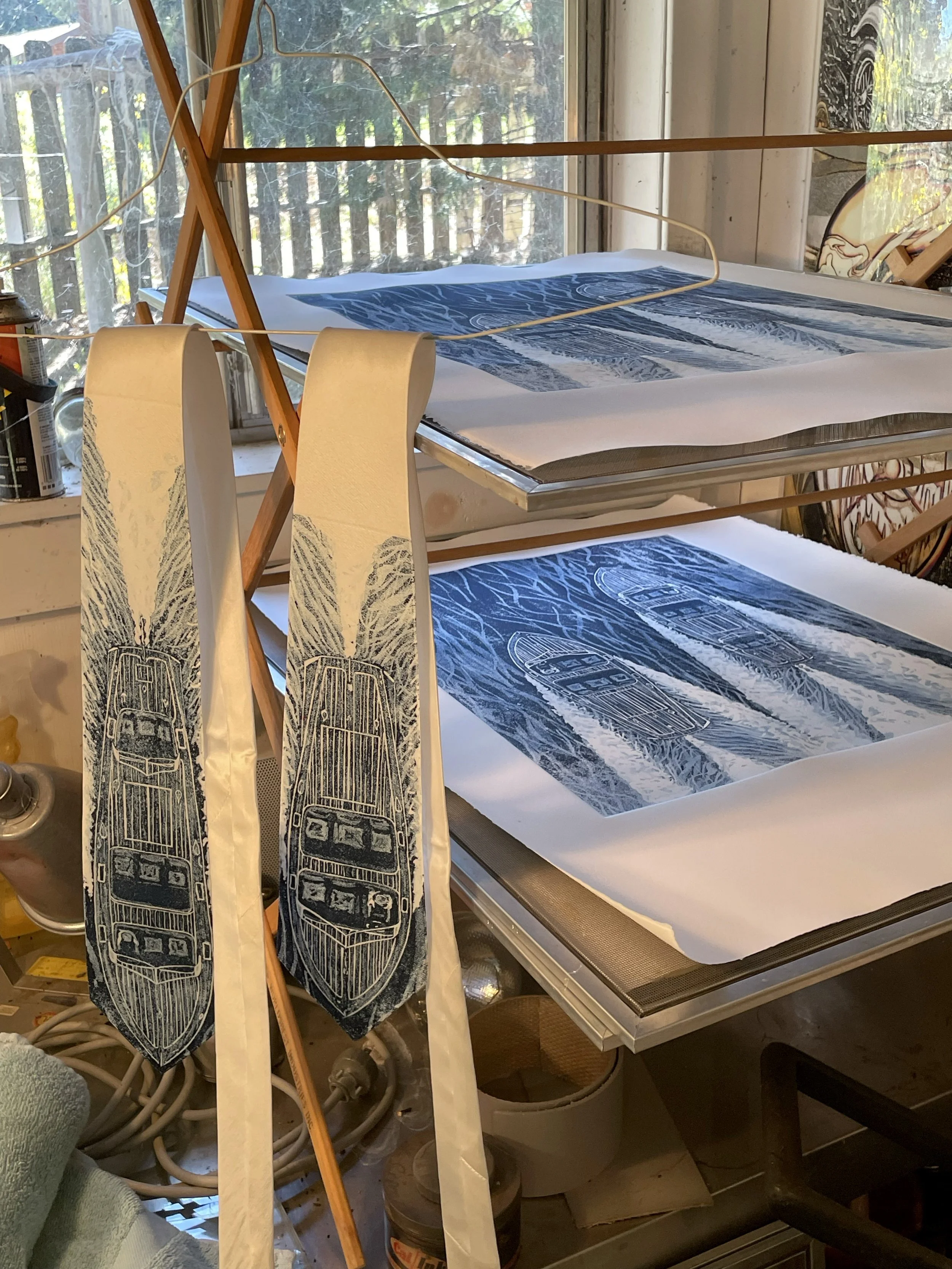
Roy’s printmaking studio—Foulbite Press—is nestled comfortably in the woods behind his house in Chicago Park, California. Here, Roy creates, inks, and hand prints his custom etchings and linoleum block prints. More information about the different printmaking processes Roy employs with his artwork is listed below. Contact Roy directly for more information about prints currently offered for sale or about custom projects to be created.

Printmaking
What is an Etching?
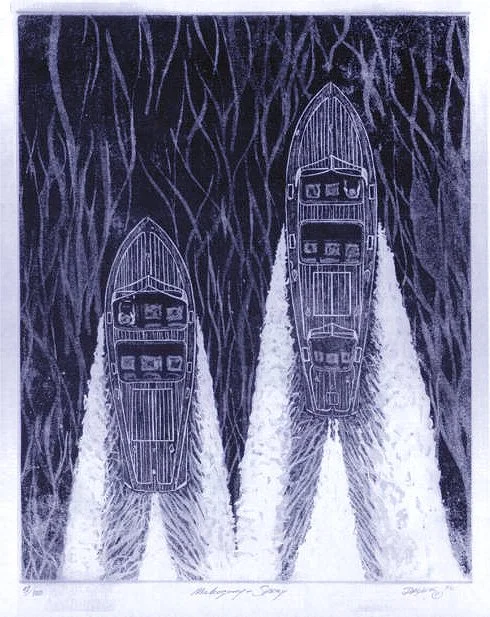
An etching is a piece of printed material made using an intaglio printmaking technique. In etching, the artist creates an image by using acid to "bite" a design into a metal plate, typically made of copper, zinc, or steel. Unlike block printing, where the surface is carved away to leave a raised design, etching is a process where the ink is held in the recessed lines created by the acid. The plate is covered in a waxy, acid-resistant "ground," and the artist uses a needle to scratch through this coating to reveal the metal. When the plate is submerged in an acid bath, the acid eats away only the exposed lines, leaving a permanent design behind.
The origins of the etching can be found in the workshops of medieval armorers. Long before it was a method for printing on paper, blacksmiths and armor-makers used acid to decorate suits of armor with intricate patterns and motifs. The technique was first adapted for printmaking around the late 15th century, with Daniel Hopfer of Augsburg, Germany, credited as one of the first to apply it to paper. Etching quickly gained popularity because it was much easier to learn than engraving; rather than physically pushing a heavy tool through metal, the artist could draw as freely and fluidly as they would with a pen on paper.
During the 17th century, Rembrandt van Rijn revolutionized the medium, pushing the boundaries of light and shadow to create some of the most famous etchings in history. Because etching allows for such a high degree of detail and a "painterly" quality, it has remained a favorite among fine artists for centuries. Today, etching is still celebrated for its unique ability to capture everything from the finest, wispy lines to deep, velvety textures, and it continues to be a staple in the world of fine art printmaking.
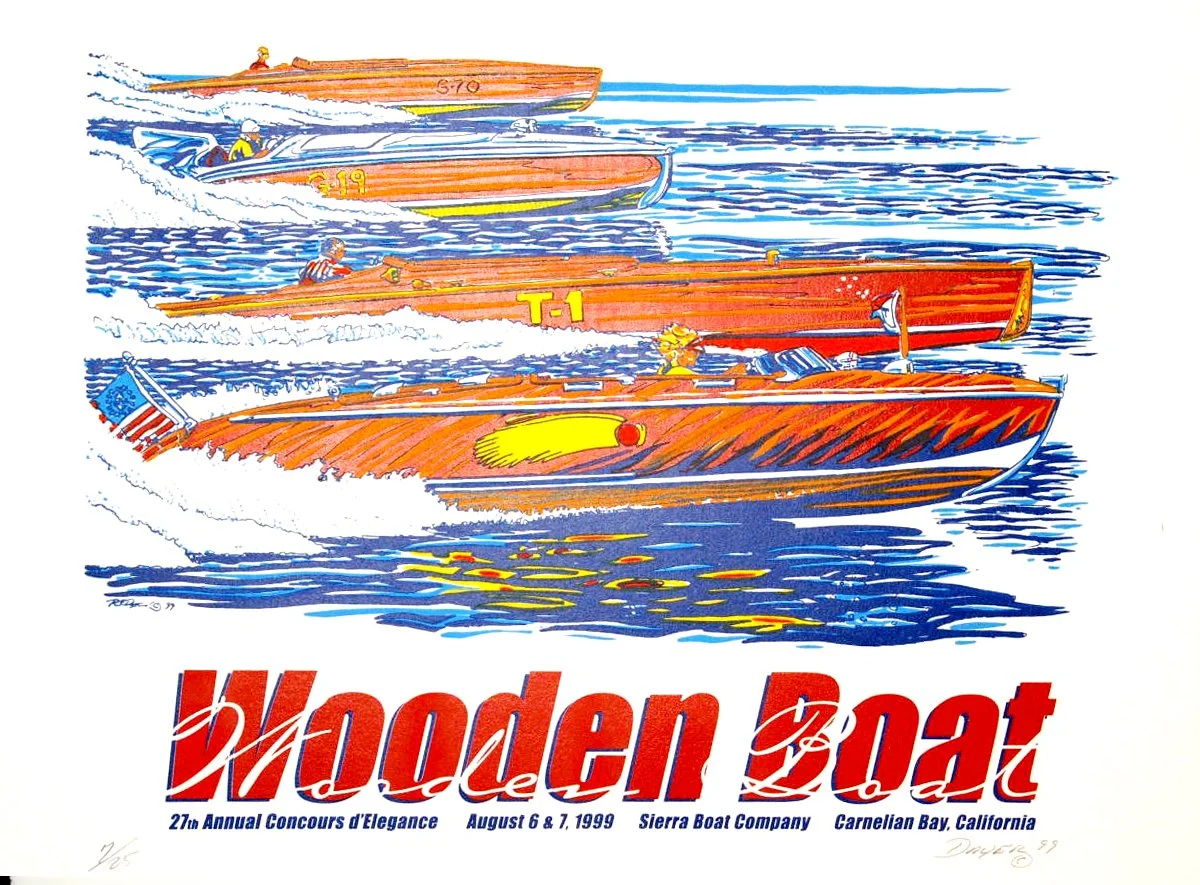
What is a Serigraph?
Serigraphy, also known as silkscreening or screen-printing, is the process of producing an image, or serigraph, by pressing color though a fabric stencil comprised off porous and non-porous sections. The serigraph may be produced onto a fabric, such as a t-shirt, or other material such as ceramic, paper, or wood.
Serigraphy is said to be based on the Japanese art of katazome, a form of stenciling using waterproof papers that was used in ancient Japan to copy an image. Some say however, that the art originated in the Fiji Islands where banana leaves were used as stencils. The art of serigraphy as it is known today was patented in England in the early 1900s. The first commercial use of serigraphy in the United States occurred in 1914 when John Pilsworth developed a process to produce multiple multi-color prints from a single fabric screen, which was used to make multicolored signs and posters.
During the first World War, serigraphy became the preferred method for printing flags and other patriotic banners because of its ability to create relatively identical and multi-layered images. Most of us probably own a serigraphed t-shirt and many of us have seen Andy Warhol’s use of serigraphy in conjunction with photographic headshots of icons such as Marilyn Monroe.
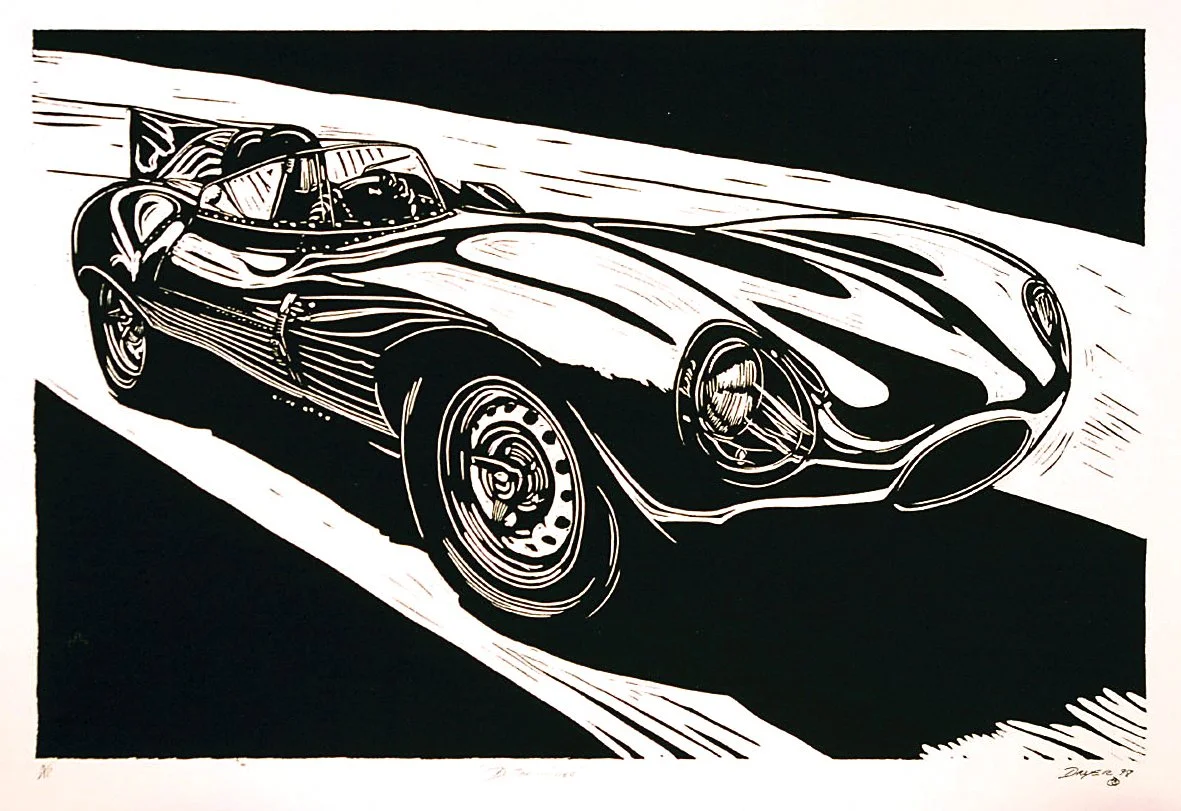
What is a Block Print?
A block print is a piece of printed material made using the block printing technique. In block printing, the printer carves the design to be printed into a solid block, much like a stamp. The design can include text or be purely visual, and the block can be applied to paper or textiles. Block printing is an ancient printing technique, and numerous examples of historical block prints can be found in the historical records of Europe and Asia.
The origins of the block print can be found in the round cylinder seals used by the Mesopotamians. These seals are the first known examples of a fixed design on an element which is designed to be rolled over another element, thus transferring the design. Cylinder seals were made from carved stone or clay, but printers started to switch to wood because it was easy to handle and carve. Woodblock prints, also called woodcuts, dominated the nascent publishing industry for hundreds of years. The engraving is a descendant of the block print, although the technique for creating the block with which to print is different.
CONTACT ROY
For inquiries about custom commissions or other art projects and events, please fill out the provided form or call Roy directly.
(916) 801-6915